
If the video above is not available, here are two other ways to view:
Turning Lonely Hours into Worship
061112PM
DSS-49
Psalm 6
Transcript
.jpg)
Let’s open to the book of Philippians together, with me please, if you have your Bibles. Philippians chapter 3. Because I’d like to conclude the look at Psalm 63 by talking about lifelong worship of God. Philippians 3 tells us that a lifelong personal pursuit of worshiping God is not only what God came seeking for. Do you remember what Jesus said in His earthly ministry? He said, for, that’s what God seeks, those who worship Him. When He spoke with the woman at the well, He said, God seeks true worshipers. So, a life of worship isn’t just what God came seeking for, and it’s not just what we’ll be doing forever, that’s how the Bible ends. Revelation right, 4 onward says that we are surrounding the throne of God and we are involved in continuous worship and adoration and bowing and rising and singing to Him. So, worship isn’t just what God came looking for. It’s not just what we’re going to do forever. But Philippians 3 in verse 3 tells us it is what we are to be now. We are to be actively pursuing personal worship of God. That’s to be not just when we got saved and not just in Heaven when we’re done, but all the way in between.
.jpg)
The definition of a true believer as a worshiper is the very heartbeat of the Church. Maybe that’s why the New Testament Church we always say was so amazing. I think it’s because they were so tuned in with what they were here for. They were here first to worship the Lord our God, and secondly, as Jesus said, to serve Him. Worship is the engine that drives real service. And if we get it mixed up and we’re just serving, serving, serving, and never worshiping, worshiping, worshiping, then we run down, get worn out, get just frazzled and can’t go on. Look what Paul says in Philippians 3, verse 3. He says, for we are the circumcision. That’s hearkening back to the Old Testament saying that God wants to circumcise our hearts. The Jews were all into this externalism. They were into a ceremony. They say, hey, I’ve had that medical procedure done; I’m going to Heaven. It’s kind of like people today. They say, yep, I’ve done that. I’ve been baptized or I joined the church or I gave my money, so I’m going to Heaven. They’re into externals. And God says, no. What I want to do is circumcise your heart. I want to give you a new heart, Ezekiel 36:26 and 27. I want to put a new spirit within you.
So, Paul says, for we, true believers, Philippians 3:3, are the circumcision. We’ve had a heart transplant; we have a new operating system. What happens when God gives us a new heart? The rest of verse 3, who worship God in the Spirit. When we are made brand new, we have a new heart. All of a sudden, it opens for us true spiritual worship. All of a sudden, we become individuals that everywhere we are, anywhere on this planet, in any condition of life, in any time chronologically of life, we are worshiping God, worshiping God in the Spirit. It’s not just having the right music. It’s not just having the right words. It’s being energized by the Holy Spirit. We become, with a new heart, worshipers of God in the Spirit, rejoicing in Christ Jesus the theme of our song. We see all the way through Revelation is talking about worthy is the Lamb that was what? Slain. It’s all about the cross. It’s all about Christ. It’s all about His sacrifice in His taking our place, our substitute. And having no confidence in the flesh. That’s what we’re to be; that’s what believers are.
But with all that truth reality is often much less, isn’t it? We know God came seeking worshipers. We know that we’re going to be worshiping forever in Heaven. We know that, what it says right here, we are to be worshiping God. But the reality is it doesn’t always happen. We don’t feel like worshiping, and we don’t sometimes feel like our worship matters to God. We often move deeper in our studies, but not closer to the Lord. We often have increasing contact with the truth, but less touch with God’s power in our personal lives, we often have more and more relationships at church and groups and activities, but less and less depth of true corporate and personal worship. That’s just a sad state. And outside the Church, the world is going faster, life is getting harder, spiritual lives need deepening, and could it be that the 3,000 year old secret of David still works today? Probably, since the largest teaching on worship in the Bible is right in the middle, the Book of Psalms. The largest instruction guide of how to worship is the longest book and the one that David wrote half of.
.jpg)
So, let’s turn back to Psalm 63, and I want to finish what we started this morning. Psalm 63, if you can go right to the middle of your Bible and find the 63rd of those psalms that are in there. We need a new generation of God hearted, Spirit empowered, Christ seeking worshipers. That’s what the Lord looks for in every generation. He looks for those who will be prompted by the Spirit, with a heart after God, that will be seeking Christ in worship. Every generation, He looks for that, believers like David, who use every tense of life to describe their pursuit of the Lord. Do you remember in verse 2 David said Hey, ever since I was a boy, this is my past pursuit. In verse 2 he said, I have looked for You. He says, I’ve always come looking for You. Now, it’s never been any different for us today, for David back then. David could have gone to the tabernacle and said, huh, this is really an old tent. Huh? Bunch of old men running this thing. Huh? Who wants to kill animals? He could have just found everything to distract him. But he didn’t come looking at the priest and what they were wearing, and he didn’t look at that tent and what it looked like. He came, verse 2, and from the past he says, I have looked for You. See, a worshiper always is looking for God, and when they see Him, they fall down and worship and offer like the wise men. And when they found Christ, they fell down and worshiped and gave to Him their gifts and presented that to Him. So David said, that’s my past pursuit.
It’s his present pursuit, look at verse 1, even in a hot, empty, lifeless, bleak, hostile desert. That’s where he was writing this. In verse 1, he says, oh God, You are my God, my soul thirsts. That’s a present tense. My flesh longs for You in verse 3. Your loving kindness is better than life. It isn’t in the past. It’s so easy for our Christian life to be all in the past. In fact, I remember it used to be that when I was growing up, everybody that gave testimonies in our church always said, oh, I got saved in 1932 and they sat down. Someone else got up and said, oh, I got saved in 1948, they sat down. I thought, isn’t God doing anything today? You got saved 50, 40, 30, 20 years ago, but what is He doing today? Look what David says. He says, You are better than life today. When I’m in the desert, when I’m running from my son, who’s trying to kill me, when I’m just driven out from everything familiar to me, You are today. See, it’s in the present tense.
And then he made a whole bunch of resolves, a bunch of promises, a bunch of declarations about the future in verse 1. Early will I seek You. That’s in the future. Verse 3. My lips shall praise You. That’s in the future. He says, I’m committed to this past, present future. David says, all the way through the psalm ending in verse 11, the king shall rejoice. So, God is looking for us as believers. He’s seeking us to be worshipers, energized by His Spirit, seeking the Lord Jesus Christ, and saying life is good but God is better. He’s better all the time. He’s better now. He’s better in the future. He’s better all the time than anything else. David used every means He had to pursue God.
.jpg)
You remember, I showed you that he talks about every part of his body involved in worship? He talked about his lips. He actually said things about God. He enlarges on that and says his mouth is speaking of God, his tongue is employed in worshiping God. It’s an amazing thing. The Book of James, the first New Testament book chronologically says that the tongue is a powerful little three ounce tool that can cause a lot of worship, a lot of ministry and evangelism, or it can be set on fire of Hell and cause a lot of damage. You know what David said? I have engaged my mouth, my lips, and that tongue for God. And I use that with my will, with my mind, with my intellect, and I use it to the maximum seeking God. I get into worship. I want to participate, is what he’s telling us.
.jpg)
The reason he did this is. That only God can satisfy and God only satisfies worshipers. That’s why it’s so important. That’s why David was into it. That’s why he could make it in this desert time of his life. One of the most fundamental truths from the psalms is that God can satisfy us to the very core of our existence. God can satisfy us to the center of our being, not just externally. Satan is involved in temporal enjoyments, amusements. He has the pleasure of sin that he offers for a season, but only God can give pleasures that never end. God, Psalm 16:11, when we put ourselves under His authority, when we only do what He ask us to do, when we obey Him, He gives us pleasures Psalm 16:11 says that are endless. And David knew that God could satisfy, and that’s David’s 3,000 year old testimony. He was as human as anyone can get. He reflected every possible problem that life can have. But he said, God can satisfy even the likes of me so God can satisfy you.
When we stop to think about what David just said in these first few verses of the 63rd psalm, especially when he tells us that in verse 3, your loving kindness, God, is better than life. When he says that everything we know and cling to, life, that God is better than all that. It makes us pause and ask ourself why it is that we neglect and spend so little time cultivating something that’s better than anything we know. Think of the best thing you know in life. Whatever it is. Whatever it is to you and think, what’s better than that? And it’s what God offers. And yet we spend so much of our time earnestly seeking what is less than the best. And the best is to worship and seek God, enjoying God who offers us endless satisfaction, who offers us completion on a supreme level.
.jpg)
In fact, God says that he allows us to enlarge our capacity to worship Him. In the Psalm 81, it says, open your mouth wide and I will fill it. What the Lord says is, I will increasingly enlarge your capacity to worship Me. In fact, you know what one of the things the elements of Heaven is going to be, it’s going to be that we start in Heaven at the level that we were at Earth, and in our capacity to adore and worship and magnify and praise and enjoy God, and then it just goes onward from that period into eternity. And so, what’s amazing is some people are going to enter Heaven and they’re going to be like the person that joins the team, after the season starts and they don’t know anything about it and they’re just fumbling along and falling through everything, they’re finally catching up with what’s going on. Others are going to come in because they have finely tuned their souls. Remember the Lord says, the people that were great on Earth aren’t going to be great in Heaven and some of the people that were really nothing much here on Earth are going to be incredible in Heaven. One of the big factors in that is our ability to worship God. Because in Heaven it says we will be known as we are known here. And God knows the ones that have a big bandwidth for Him, and He knows those that don’t. And that’s where we’re going to start. And He’s going to only increase and enlarge.
And it’s the same way of what the scriptures describe Hell is going to be like. People that have died with these humongous desires for sin. Those desires are only going to grow and be more and more unsatisfied in Hell. And those who have enlarged their capacity to worship God are going to enter His presence and they’re only going to enlarge that even more. So, this life does make a difference. It does make a difference whether you engage in your pursuit of God here. It isn’t like when you get to Heaven, He’s going to make up everything that you have neglected to do here. Yes, He makes us perfect but we are going to shine in the brightness of what we were here on Earth and then only increase. So, think about, rewards do matter and what you do here does matter, and we should practice a lifelong pursuit of what God made us to be. And that is to worship Him. We need to pause and like David with our lips, our tongue, our mouth, our mind and all that we are expressed to God, how much we want to enjoy Him right now.
.jpg)
I’d like to just take a few moments to show you a few things. I want you to take, we’re not going to sing, but I want you to take your hymn book. Here’s mine, hiding under here. I want you to take your hymn book with me, and I want to show you a couple hymns that were written by people, that were young people that were lonely. And the first one is number 410. And I’m going to read you the story about it and then we’re going to read this. This is a very popular hymn. It’s been popular for more than one generation of hymn books. But number 410, My Faith Looks Up to Thee, was written in 1832 by a young fellow named Ray Palmer. He was a 22-year-old school teacher. A lot of people were school teachers that were hymn writers. And several months after he graduated to become a school teacher, he graduated from Yale to become a school teacher, and he graduated before he was 21. And he went off but he couldn’t find a school, and so while he was waiting for… a Yale graduate, couldn’t find a school, a public school to teach in, which is just simply amazing and astounding. He must have been brilliant to have gone through that school. But because he experienced a very discouraging year, because he got out of Yale and he immediately before he could get into a school, got sick, and he was living with another family because he couldn’t afford to live on his own. And he was very lonely because they just rented him a room and didn’t care about him and he was doing his schoolwork. And here was Ray Palmer, Yale graduate, in the year 1832 with no school job, living in a little room in New Haven, Connecticut, with nothing to do.
So, what do you do if you’re 22 years old and a Yale graduate and you’re battling illness and loneliness? He wrote his testimony and there it is. This is the testimony of a lonely, sick, 22-year-old graduate of Yale. I don’t know if very many Yale graduates would talk this way anymore, but this is what Lowell Mason put to a hymn that Ray Palmer wrote. And this beautiful hymn. I’ll, this is what he wrote in his journal and then we’ll read it. He said, these stanzas were born out of my soul with very little effort. These are the words of Ray Palmer, the author of this number 410. I recall that I wrote the verses with tender emotion. There was not the slightest thought of writing for another eye, least of all, writing a hymn for Christian worship. It is well remembered that when writing the last line, which says, oh, bear me safe above a ransom soul. The whole thought of the whole work of redemption and salvation was involved in those words and suggested the theme of eternal praise, and it brought me to such a degree of emotion that I shed abundant tears. How do you like that for a hundred, and let’s see, 174-year-old words of this guy that is talking about the Lord in those terms? This is his hymn and let’s read it and think of, next time you’re lonely if your heart, like this 22-year-old’s, is going to look up. Just like David’s did when he was lonely in the desert, looked up at God. Let’s read together 410.
My faith looks up to thee, Thou Lamb of Calvary, Savior divine! Now hear me while I pray, take all my guilt away; oh, let me from this day be holy Thine.
May Thy rich grace impart, strength to my fainting heart, my zeal inspire; as Thou has died for me oh may my love to Thee pure, warm, and changeless be, a living fire.
When life’s dark maze I tread and griefs around me spread, be thou my guide; bid darkness turn to day, wipe sorrows tears away, nor let me ever stray from Thee aside.
Do you hear David’s? Remember David said, my soul cleaves to Thee, this idea. And we’re going to see it tonight when you’re a worshiper, you’re drawn to the one that’s the focus of your worship. And so that’s why he said there, nor let me ever stray from Thee aside. I want to be beside You. David wanted to be near the Lord. Ray Palmer wanted to be near the Lord. And both were going through times of intense loneliness. But they knew there was one person that would never leave them or forsake them.
Last stanza. When ends life’s passing dream, when death’s cold threatening stream, shall or me roll, blessed Savior, then in love, fear, and distrust remove; oh lift me safe above, a ransom soul.
Ray, you had it down. Didn’t he? Isn’t that a good 22-year-old’s psalm and song to the Lord?
In your Bibles, turn with me to John chapter 4 and we’ll get back to hymn book after a while. But look at John chapter 4 because I want to remind you of what it is the Lord is doing. Jesus often talked about the satisfying ability that He offered to us. And I think why a lot of Christians are not experiencing that is that it is so tied to worship. Worship is the absolute focus of all that we are on the Lord. You can’t worship with abstraction.
.jpg)
You can’t worth worship with distraction. You can’t worship with the spectator idea. You have to get involved. You have to participate. It has to encompass all that we are, and that’s why the Church is waning in worship. We more and more think of what worship is, having the big worship and praise team up there and everyone just is spectating. That’s not what it’s about. It’s all about me energized by the Spirit offering to the Lord. And that’s what Jesus is talking about. He said things like never hunger, never thirst. He talks about eternal life being an endless spring gushing up within us. But look what He said to the woman by the well. He said it most directly in John 4, in verse 14. And this is the heart of the worshiper. Jesus said to this woman, John 4:14, but whoever drinks of the water that I shall give will never thirst. But the water that I shall give will become in him a fountain of water springing up to everlasting life. That’s the whole Philippians 3:3 thing, saying that we are those who are circumcised in heart. We’ve been born again. And that prompts within us worshiping God in the power of the Spirit. Jesus described it like a fountain, a life giving fountain.
That’s why. Think about the Apostle Paul when he is down in the Philippian jail. What came out of him when they beat him close to death? What came out of him when they put him in the stocks, when they left him in the dark, when they put him in this infection ridden, vermin infested prison? What came out of him? They sang psalms. They sang hymneō. But that’s the hallel, that’s the psalms of which Psalm 116 was a part of. And he brought that right out of the innermost being of his soul because he loved and worshiped the Lord.
Back to Psalm 63, and we’ll try and stay there the rest of the time because we want to finish this off. So just open again to the middle of your Bible and back a little bit to the 63rd psalm. And let’s talk about this river that the Lord wants to flow out of us. Because in Psalm 63, we find that David had started drinking from that, he was drinking from living water. David was as saved as we are. He was indwelt by the Spirit of God like we are. He was a true worshiper of God; the Spirit of God was speaking out through him. In fact, that’s his last words, 2 Samuel 23:2 says, the Spirit of the Lord spaked by me. His words were on my tongue. He was full of God’s Spirit. David experienced the unbreakable covenant, loving kindness of God, and therefore he was satisfied forever. Whatever might come in life or at death.
But look at, from the 63rd psalm. What’s the normal result that happens in the life of someone that experiences God personally? See what he’s saying is, he has had his soul filled with the reality of God. So, what happens to him? When you get full of God it wells up and it has to come out. And that coming out is called praise. And so, what he says in the third verse, he says, I praise God with all I have. And remember, he listed off all of his faculties he had, his lips, and his mouth, and his tongue, and his mind, his intellect, and everything. He says, I praise God with all I have and this is why. Look at the beginning of verse 3, because your loving kindness is better than life my lips praise you. Because, God, you’re so good, You are better than life. Because that’s a reality in my life, look at the of verse 3, my lips praise You. Now, if you find someone that doesn’t have a life of praise, if you find someone that doesn’t talk about God, that you have to pry it out of them. You kind of have to say, come on, don’t you have anything you can say of praise to the Lord and they can’t think of a thing, the reason for that is that, God, his loving kindness is not better than life to them. That means He’s not real. He’s kind of off in the distance. He’s like, out there.
A few days ago, remember we had the big foggy morning. I don’t know if you were here and around that day, but we just had this at least, maybe it was just in Broken Arrow, but we had a fog day. I thought I was back on Cape Cod when the ocean, when the wall of fog, used to come in, it came in here. Long way from the ocean. Maybe it came from the Port of Catoosa. I don’t know. But it came all the way here and this wall of fog came. And you know what? I was driving along at 5:30 am, coming over here for the Bible Study, Tuesday morning. And I was, I couldn’t, if a car had stopped in front of me without his lights on, I would’ve ran right into it because you could just barely see them when you turned your headlights on bright, it just made everything like white wall. For a lot of people, that’s how the Lord is. He’s off in the fog for them. And his, verse 3, his loving kindness is not better than life, they’re more cognizant of life. They’re more cognizant of their activities and of their desires and their appetites and their pursuits and God is often in the fog somewhere and they don’t see Him. And therefore, look at the end of verse 3, their lips don’t praise Him. So, you want to ramp up your praise? Get to know God so well He’s so real that He becomes better than life.
Now, he repeats himself. Look at verse 7 of the same psalm. Psalm 63:7. Twice, he declares why he has this life of worship. And in verse 7 he says, it’s because You have been my help. Therefore, in the shadow of Your wings I’ll rejoice. It’s a parallel. In Hebrew, they’re what’s called parallelism. They say the same thing in different ways. This, my lips praise you and I will rejoice, is saying the same thing. Why did he have a life of praise? And why was he filled with rejoicing? Because Your loving kindness is better than life. You are better than anything I know, God. And because, verse 7, You’ve been my help. If you don’t know that God’s helping you, if you’re not inviting Him to help you, if you’re not asking Him to help you, if you’re not constantly crying out to Him, and walking through life, praying without ceasing… did you know the extent to which we pray is the extent to which we realize that apart from Him we could do nothing and that we’re so weak.
You know what keeps us from prayer? Pride. We think we can handle it. I don’t need to pray about that, I don’t need to pray about that, I’ve got that under control, I got this under control, of course I know all about that so what do I need to pray about? And the more we humble ourself before the Lord and see that we need Him, the more we offer prayer and the more we seek His help. And when we seek His help, look at verse 7 because You have been my help, because I’ve experienced You responding as I have cried out to You. Therefore, in the shadow of Your wings, You who are always guarding and protecting and providing for me, I will rejoice. David is our example and model that shows us what happens when the souls get satisfied by God, they just can’t hold it in. If you’re satisfied, God you have to sing, you have to praise, you have to talk about it. We share, we talk, we think about the surpassing satisfaction that Christ has become to us. You want to get a real blessing on Sunday morning? Go down that second aisle over there where the pillars are and go meet all the old timers. They’re clustered back there. They like to be over in that corner, right in front of the sound booth and back. That’s wheelchair alley. You ought to go over there. You know what? You’ll get blessed. One of them this morning said to me, I haven’t been here in seven months. She’s had surgery after surgery. They put so much metal in her she probably could never go through the airport scanner; everything would go off. But you know what, she said? I am here because I want to be here worshiping and praising the Lord. Now, if you hadn’t been able to get out for seven months, would you come here? You would, if God is better than life. You can’t hold it in.
The satisfaction that Christ has become to us. In fact, the songwriter of yesteryear, Helen Lemmel, who happened to be blind, that lived in L.A. In fact, I’m so old that she died, I forget when, but I knew someone that knew her, I think she died in the twenties. And one of the people that I taught in Sunday School in Los Angeles was her doctor. And he used to tell me that blind Helen Lemmel wrote the hymn, Turn Your Eyes Upon Jesus. Now, I knew Helen Lemmel wrote that, I didn’t know she was blind, but he said she lived it. She was blind, and yet the things of Earth grew strangely dim to her. It wasn’t because she couldn’t see, it’s because she didn’t want anything more than Christ. And as the hymn writer said, the more we fall in love with Him, the more the things of Earth dim and grow strangely dim. Christ saves and to all of us who seek Him with all our heart, Christ satisfies. Life is good, but God is better and that’s what motivates us to go and speak for Him.
.jpg)
In fact, this whole idea of worshiping God is one of the driving forces of missions. The only way that you would leave America and all the comfort, and all the security, and all the conveniences, if you were a worshiper that wanted to see more and more and more people from every part of this planet worshiping God. In fact, I want you to turn to another one, number 310. Turn back a hundred pages in your hymn book. I want to show you another lonely heart and this became the most popular in its day, missionary hymn, in the whole hymn book. Across the English speaking world, this was at the top of the charts. It would’ve been platinum or whatever big time is in the music world these days. This hymn was birthed in times of loneliness. It’s a very powerful hymn. This hymn was written by a woman who was isolated from all Christian fellowship and was very lonely. Her name was Margaret Clarkson and she was 23 years old, just a year older than Ray Palmer. And she was serving as a school teacher, just like Ray Palmer was, only she was way up in Northern Ontario in Canada. And she was sent by the government to be a school teacher in a gold mining town. If you know anything about mining communities, they’re rough and tough and there aren’t a lot of Christians there and they’re just rugged individuals out there trying to make their living, and they have children and they have to have school.
So, in this gold mining camp, way out in the middle of nowhere, her friends and family many, many days travel away. She was meditating in her Bible on John 20. As she read that chapter, the Word of God began speaking to her heart and she started meditating on this fact that Jesus was sending out after His resurrection, His disciples, and she felt that she had been sent up there to that gold mining camp out in the middle of nowhere. And she realized this lonely area was a place that God had sent her, that it was her mission field. And she quickly began to write down her thoughts in a poem. And that poem is right here, number 310. Miss Clarkson authored many other articles and poems and all during her little, her school teaching career, but because of her physical disability, she never was able to go to the mission field. She felt really bad about that until she realized she was on the mission field there in Northern Ontario. And so, she wrote this hymn. And I want you to read this with me because this is another expression of a lonely heart. Psalm 63 is David as an old man, alone. Hymn 410, My Faith Looks Up to Thee by Ray Palmer is a lonely 22-year-old school teacher. This is a lonely 23-year-old school teacher who said, God, I want to be a missionary and God said to her through His Word, you are right where you are. And so, she wrote this. And by the way, this became one of the invitational hymns that scores and then hundreds and then thousands of missionaries responded to invitations to go out. So, Margaret Clarkson went to the mission field in hundreds of ways through this little poem she wrote from her school up in Northern Canada. Let’s read this and think about the life of a worshiper that would respond like this in unison together. Here we go.
So send I you to labor unrewarded, to serve unpaid, unloved, unsought, unknown, to bear rebuke, to suffer scorn and scoffing. So send I you to toil for Me alone.
Second stanza. So send I you to bind the bruised and broken, or wandering souls to work, to weep to wake, to bear the burdens of a world of weary. So send I you to suffer for My safe.
Now, you can do all these things right here. You realize [that?] That’s what Margaret Clarkson realized. That she could look on her school teaching job to a bunch of mining kids who didn’t want to be in school, and a bunch of parents who just wanted to get them out of the house and get rid of them, and they would dump them at that school with this poor sickly 23-year-old girl. She realized that was her mission field. And that’s the same way we can look on life. Wherever we are in life.
Third stanza, let’s read it. So send I you to loneliness and longing, with heart a hungering for the loved and known, forsaking home and kindred, friend, and dear one. So send I you to know My love alone.
See the heart of a worshiper? She’s saying, I left all my family and friends and my church friends and my everybody that loved me and everything else back down south and I’m alone, but I have His love. I know His love, God’s love alone. That’s what keeps missionaries going. The Adoniram Judsons and all the rest that labored for years with no visible response. They knew they had God’s love alone.
Fourth Stanza. So send I you to leave your life’s ambition, to die to dear desire, self will resign, to labor long and love where men revile you. So send I you to lose your life in Mine.
Last stanza. So send I you to hearts made hard by hatred, to eyes made blind because they will not see, to spend though it be blood, to spend and spare not. So send I you to taste of Calvary. And then the ending. As the Father has sent Me, so send I you. Which is John 20:21, which is what she was reading when this song was laid on her heart. Margaret Clarkson knew how to pursue God.
.jpg)
And all of this goes back to verse 8. So, look back at Psalm 63, and I want to wrap this up. Psalm 63 in verse 8, one final note about the satisfying work of God’s grace is seen in the eighth verse. Notice what happens when you find something you never dreamed of even existed. Something too good to be true and too good to lose. David says this in the eighth verse; my soul follows close behind You. I just can’t keep away from You. I’m just glued to You. I just can’t get enough of You, oh God. Your right hand upholds me David said. David had not only experienced the supreme satisfaction that God gives, he just couldn’t stop singing and talking about it, but that’s not all. He also clung to the source, the Lord Himself. The Hebrew word for following close behind is to cling. It’s used of the bonding that comes when a husband truly loves his wife and their souls as well as their bodies are glued together. He says, I cling to you. In fact, in Genesis, God describes marriage as a man and woman that find they complete each other so wonderfully they become glued together. That’s God’s design for marriage. That’s also God’s attraction to our souls and our spirits. That’s why salvation is spoken of in terms of a marriage supper of the Lamb when we the bride come to the groom, Christ. These metaphors are through the scripture saying that just as the closest relationship that’s possible to have on Earth is so wonderful, that’s just a mere shadow of the completion that we find and taste here on Earth with Christ and look forward to forever in His presence.
Now, that again reminds us that David became glued to God. That’s what verse 1, we started with this morning says, when you earnestly seek something, you get glued to it. David wanted to stay as close as possible to the Lord. His heart, his mind and his will all had a target, and that target became the source of his deepest satisfaction. And the target was the Lord. And so, David was pursuing God. That again pauses us and makes us ask if we’re not clinging to the Lord, if our hearts and desires are less than glued on Him, perhaps we’re saying that we have not learned how to seek Him early enough or earnestly enough, or completely enough to get satisfied. Because if life is good but God is not better, then we don’t pursue Him earnestly. But if we experience that, we begin to pursue Him. For once we truly get, truly and deeply satisfied we cling to Him. The question is, are you clinging? Do you have a habit of lifelong worship? Do you have a habit of lifelong seeking? Do you have a habit of lifelong saying that, God, You are more real to me than even life or are you driving through Tuesday’s fog, spiritually, kind of with your headlights on, can’t see the Lord? Did you know the Lord will be found by all who seek Him? He said, you’ll seek Me and find Me when you seek from Me with what all your heart. See, God doesn’t take any half-hearted, just part-time worshipers. He says, you have to come with all your heart. You have to engage all of your faculties in seeking Me. You got to get so focused in that everything else blurs out, and I become the supreme satisfying source of all your desires and activities in life. That’s the message of Psalm 63, the God who supremely satisfies us and makes us long for unending daily moment by moment satisfaction.
.jpg)
But look at verse 9. All of a sudden, we go from the rarefied atmosphere of Heaven to verse 9. Did you know if you read a liberal, you know what a liberal is? Someone that doesn’t believe in the inspiration of the Bible. They don’t often believe in the deity of Christ. And there’s tons of them all around, and a lot of them are in churches. They don’t believe in creation, and they don’t believe in inspiration, they don’t believe in deity, they hardly believe in the resurrection, and all that stuff. When a liberal looks at the Bible, you know what they say? They say, oh, verse 9 was an editorial addition. Someone later added to the psalm because it doesn’t belong to a psalm. And that shows how little they know about the Lord. And most of them don’t even know the Lord, because how can you get saved without the engrafted Word and they don’t even believe the Bible is inspired by God? But look at this Psalm of Communion in the very throne room with the Almighty God of the universe, it seems strange to drop back to Earth and end on such a human note as the last three verses. That’s how some commentators, the liberal ones, take the psalm. They say that this is some scribe that ruined the psalm because it ended, up in verse 8, just so majestically, and then it gets ruined. But the opposite is true. This is by God’s design.
When David writes verses 9, 10, and 11, he’s reminding us that the real world we face every day, like the harsh realities of the Judean desert that was around him, don’t go away. The realities of life don’t go away when you worship God, it isn’t like all of a sudden, you live in never, never land, and you just don’t ever want to wake up, you just want to stay there in never, never land. What he’s saying is, no. God is the one we can live, and worship, and be satisfied in the harsh realities of life. David’s enemies did not go away. David’s troubles did not go away. His son was still chasing him. The army was still after him. He was still out in Death Valley itself, the Dead Sea region. He could die without water very quickly by exposure. The problems didn’t go away. But David is saying that God can satisfy and captivate our hearts and minds, here and now. We don’t have to live in an imaginary world. We don’t have to hope for some land where we can get finally to what God promised. We can have it here and now.
David found the supreme joy and the complete satisfaction from God right in the place where his fears, his struggles, his disappointments, and his problems faced him. In the context of this psalm in David’s life, at the very same time he was feeling the murderous hatred of his own son, at that exact moment he was experiencing the deep satisfaction and completion of knowing God. At the same time. At the same place. He didn’t have to get out of the world and get into some other world. He experienced it here. And that should speak to our hearts because right where we are God wants to work not after the storm rolls by but in the middle of it. That’s why the requirements to get something like this is given with a prerequisite. Go back to verse 1 and we’ll be all done. This is what David says.
.jpg)
If we want to experience the Lord. In an intimate and personal way, and I hope you want to, and I hope you want to enlarge your capacity, the desire of my heart is saying, Lord, open my mouth wide I want to know more and more and more. As much as it’s possible to know of, devoting all that I am to You. Okay? But how do we get that? Verse 1. Oh God, You are my God. The choice that makes all the difference is, we have to have an intimate and personal relationship with Him. It can’t be secondhand; can’t be something we talk about. It has to be something we experience. We shouldn’t talk about the Lord. We should talk to Him. We shouldn’t study about Him. We should study Him. And we should not walk thinking about these principles, we should walk with a person through life. You should have a conscious awareness that you know, and talk to, and are reading about, and talking to in prayer, a person. And it should grow. But that’s not the only, that’s only the first prerequisite.
The second one is in the second part of verse 1, the first choice is to have a personal, intimate knowledge and relationship with Him, but he continues. Look at verse 1. He says after he says, oh God, You are my God. I personally know You. I intimately know You. The choice that makes all the difference is, when we choose the second half of this equation. Like David, God must become what we want and seek with all our heart. The second half. Early will I seek You, my soul thirsts for You, my flesh lungs for You in a dry and thirsty land where there’s no water. Have you come to the place that you can consciously in your time alone with the Lord say, and nothing I desire compares with You. That’s the heart that leads to a life of worship.
.jpg)
Let’s bow before the Lord and in our hearts tell Him that there’s nothing we want more than Him. Father in Heaven, I thank you for the 63rd psalm. I pray we’d always remember the life of worship that David demonstrates. I thank you that You offer it to us right now. Your eyes are running to and fro. You’re seeking those whose hearts will be completely toward You, of any age. And I pray that old or young, all of us alike would say, and nothing I desire compares to the desire I have for You. In Your precious name, we long for You Lord Jesus. Fill our mouths, we open wide before You. In the precious name of Jesus, we pray. And all God’s worshipers said, amen. Let’s go seek the Lord. God bless you as you go.
Notes

A life long personal pursuit of worshiping God is not only what God came seeking for (John 4), and what we will be doing forever as Revelation 4 onward teaches us—it is what we are to be now. The definition of true believers as worshipers is at the heart of the church. Look for a moment at
Philippians 3:3 For we are the circumcision, who worship God in the Spirit, rejoice in Christ Jesus, and have no confidence in the flesh.
But with all that truth, reality is often much less, isn’t it? We often move deeper in our studies—but not closer to the Lord.
We often have more contact with the truth—but less touch with God’s power in our own personal lives.
We have more and more relationships at church, in groups, and in activities—but less and less depth.
And outside the church, the world is going faster, life is getting harder and spiritual lives need deepening. Could it be that the three thousand year old secret of David still works today?
DAVID SOUGHT GOD THROUGH HIS LONELINESS
We need a new generation of God hearted, Spirit empowered, Christ seeking worshipers.
Believers like David who used every tense of life to describe his pursuit of the Lord. He says this has been my past pursuit:
Psalm 63:2 So I have looked for You in the sanctuary, To see Your power and Your glory.
And even in the hot, empty, lifelessness of the bleak and hostile desert seeking God was his present pursuit even as he was being chased by Absalom (most likely the context of this Psalm):
Psalm 63: v.1 O God, You are my God; Early will I seek You; My soul thirsts for You; My flesh longs for You In a dry and thirsty land Where there is no water. v.3 Because Your lovingkindness is better than life, My lips shall praise You. v. 6 When I remember You on my bed, I meditate on You in the night watches. v.8 My soul follows close behind You; Your right hand upholds me.
Then as David always looks ahead, he declares that desiring God will always be his future pursuit:
Psalm 63:1-11 v.1 O God, You are my God; Early will I seek You; My soul thirsts for You; My flesh longs for You In a dry and thirsty land Where there is no water. v. 3 Because Your lovingkindness is better than life, My lips shall praise You. v.4 Thus I will bless You while I live; I will lift up my hands in Your name. v.5 My soul shall be satisfied as with marrow and fatness, And my mouth shall praise You with joyful lips. v. 7 Because You have been my help, Therefore in the shadow of Your wings I will rejoice. v.11 But the king shall rejoice in God; Everyone who swears by Him shall glory; But the mouth of those who speak lies shall be stopped.
DAVID USES EVERY MEANS HE HAD TO PURSUE GOD
Even a quick glance at this Psalm in your English Bible shows an ancient Hebrew pattern; David uses seven different means to praise and worship God (seven as in a complete set).
We are challenged by our culture to never stop learning to use a few extra percentage points through life; but in a vastly more strategic way, God is saying through David— why not start employing more and more of your capacity to worship God?
Regularly use your lips, your tongue, your hands, your will, your mouth, your mind, and your intellect to the max in seeking to offer worship to God.

ONLY GOD CAN SATISFY
One of the most fundamental truths from this Psalm is that God can satisfy us to the very core of our existence and being. That is David’s 3,000 year old testimony. He was as human as anyone can get.
David reflects every virtue and every vice. He struggles with fear, depression and lust; yet he sings with abandon, worships with a passion, and meditates into the very Throne Room of God. We can each identify with his struggles—and we can each learn from his pursuit of God.
When we stop and think about it, like we are at this moment—isn’t it hard to believe that we neglect and spend so little time cultivating something that is ‘better than life’— and spend the majority of all our time pursuing, protecting, and seeking to prolong what is a distant second?
ENJOYING GOD
God offers endless satisfaction, completion on a supreme level for each of us to enjoy and enlarge on a daily basis. Maybe this morning we need to pause and like David with our lips, tongue, mouth, mind and will express how much we want to just enjoy the Lord Himself right now.
MY FAITH LOOKS UP TO THEE Ray Palmer, 1808–1887
Hymn # 410 “My Faith Looks Up to Thee” was written in 1832 by Ray Palmer, a 22year-old school teacher. Several months after his graduation from Yale University, Palmer wrote the text for this hymn. He had experienced a very discouraging year in which he battled illness and loneliness.
The words for these stanzas were born out of my own soul with very little effort. I recall that I wrote the verses with tender emotion. There was not the slightest thought of writing for another eye, least of all writing a hymn for Christian worship. It is well remembered that when writing the last line, “Oh, bear me safe above, a ransomed soul!” the thought of the whole work of redemption and salvation was involved in those words, and suggested the theme of eternal praises, and this brought me to a degree of emotion that brought abundant tears.
Two years later, while visiting in Boston, Palmer chanced to meet his friend, Lowell Mason, who stated: “Palmer, you may live many years and do many good things, but I think you will be best-known to posterity as the author of ‘My Faith Looks Up to Thee’.”
Lowell Mason composed a melody for this text. Soon the hymn appeared in its present form in a hymnal edited by Mason. And from that time on this musical expression has had an important place in nearly every hymnal that has been published:
 My faith looks up to Thee, Thou Lamb of Calvary, Savior divine; now hear me when I pray, take all my sin away; O let me from this day be wholly Thine!
May Thy rich grace impart strength to my fainting heart, my zeal inspire; as Thou hast died for me, O may my love to Thee pure, warm and changeless be— a living fire!
While life’s dark maze I tread and griefs around me spread, be Thou my guide; bid darkness turn to day, wipe sorrow’s tears away, nor let me ever stray from Thee aside.
When ends life’s transient dream, when death’s cold sullen stream shall o’er me roll, Blest Savior, then, in love, fear and distrust remove—O bear me safe above, a ransomed soul.1
Jesus often talked about the satisfying ability of knowing Him. He said things like ‘never hunger’ and ‘never thirst’. He talked about eternal life becoming like an endless spring gushing up from within us. To the woman by the well Jesus said it most directly—
John 4:14 “but whoever drinks of the water that I shall give him will never thirst. But the water that I shall give him will become in him a fountain of water springing up into everlasting life.”
In Psalm 63 we find that David had also started drinking from that well of everlasting life; David had experienced the unbreakable covenant lovingkindness of God; and David was satisfied forever come what may in life or at death.
And what is the normal result of experiencing such life satisfying, soul filling realities? David shows us—he starts praising God.
Remember how he praises God with all he has (that list of seven parts of his faculties) he praises God. Twice he declares why he is doing that:
Psalm 63:3 Because Your lovingkindness is better than life, My lips shall praise You.
Psalm 63:7 Because You have been my help, Therefore in the shadow of Your wings I will rejoice.
David is our example and model that shows us that when a soul gets satisfied by God they can’t hold it in. We sing, we share, we talk, and we think about the surpassing satisfaction that Christ has become to us; as the songwriter of yesteryear said, ‘And the things of earth …grow strangely dim, in the light of His glory and grace…”. Christ saves, and to all of us who seek Him with all our heart—Christ satisfies. Life is good—but God is BETTER!
That is what motivates us to also go and speak for Him who loves, saves and satisfies us. Another hymn birthed in times of loneliness is very powerful.
 SO SEND I YOU E. Margaret Clarkson, 1915–
Then I heard the voice of the Lord saying, “Whom shall I send? And who will go for us?” And I said, “Here am I. Send me!” (Isaiah 6:8)
Hymn # 310 was written by a woman isolated from Christian fellowship and feeling very lonely; Margaret Clarkson was a 23-year-old school teacher in a gold-mining camp town in northern Ontario, Canada. Her friends and family were many miles away. As she meditated on John 20:21 one evening, God spoke to her through the phrase “So send I you.”
She realized that this lonely area was the place to which God had sent her. This was her mission field. As she quickly set down her thoughts in verse, one of the finest and most popular missionary hymns of the 20th century was born.
Miss Clarkson has authored many articles and poems for Christian and educational periodicals. For more than 30 years she was involved in the Toronto, Canada, public school system in various educational capacities.
Because of a physical disability, Miss Clarkson has been unable to fulfill her early desire of going to a foreign mission field. Yet her distinguished career in education, her many inspiring writings, and this challenging missionary hymn have accomplished much for the kingdom of God, even though she has remained in Canada.
These words have been greatly used by God to challenge many to respond to God’s call for service with the words of the prophet Isaiah, “Here am I … send me!”
So send I you to labor unrewarded, to serve unpaid, unloved, unsought, unknown, to bear rebuke, to suffer scorn and scoffing—So send I you to toil for me alone.
So send I you to bind the bruised and broken, o’er wand’ring souls to work, to weep, to wake, to bear the burdens of a world a-weary—So send I you to suffer for My sake.
So send I you to loneliness and longing, with heart a-hung-’ring for the loved and known, forsaking home and kindred, friend and dear one—So send I you to know my love alone.
So send I you to leave your life’s ambition, to die to dear desire, self-will resign, to labor long and love where men revile you—So send I you to lose your life in Mine.
So send I you to hearts made hard by hatred, to eyes made blind because they will not see, to spend—tho it be blood—to spend and spare not—So send I you to taste of Calvary. “As the Father hath sent Me, so send I you.”2
PURSUING GOD
One final note about this satisfying work of God’s grace is seen in verse 8. Notice what happens when you find something you never dreamed even existed; something too good to be true, and too good to lose.
Psalm 63:8 My soul follows close behind You; Your right hand upholds me.
David not only experienced the supreme satisfaction God gives, and couldn’t stop singing and talking about it—he also clung to the Source, the Lord Himself. The Hebrew word cling is used of the bonding that comes when a husband truly loves his wife and their souls as well as bodies are ‘glued’ together.
In Genesis God describes marriage as a man and a woman that find that they complete each other so wonderfully that they become glued together. That is God’s design for marriage. That is also God’s attraction to our souls and spirits.
David became glued to God. That is exactly what v. 1 means. When you earnestly seek something you get glued to it. David wanted to stay as close as possible to the Lord. His heart, his mind, his will all had a target and that was the source of deepest satisfaction.
Now that again pauses us and makes us ask—if we are not clinging to the Lord, if our hearts and desires are less than glued upon Him, perhaps we are saying that we have not learned how to seek Him early enough, or earnestly enough, or completely enough to get satisfied. For once we get truly and deeply satisfied—we cling to Him. Are you clinging? Are you glued to God? Is He better than life? Or are you still clinging to what you are going to never be able to hold onto, and what you will lose sooner or later?
That is the message of Psalm 63—the God who supremely satisfies us and makes us long for unending, daily, moment-by-moment satisfaction!

DOWN TO EARTH REALITIES
One last thought—after this Psalm of communion in the very Throne Room with the Almighty God of the Universe, it seems strange to drop back to earth and end on such a human note in the last three verses. That is how some commentators (liberal ones) take the Psalm. They say that there is an addition by some scribe that “ruins” this Psalm.
But the opposite is true. This is by God’s design. When David writes v. 9-11 he is reminding us that the real world we face every day, like the harsh realities of the Judean desert—do not go away. David began and ends this Psalm in the desert. He is saying that God can satisfy and captivate our hearts and minds here and now. We do not have to live in some imaginary world or hope for a never-never land where we can at last get what God has promised.
David found the supreme joy and complete satisfaction from God right in the place where his fears, struggles, disappointments and problems faced him. In the context of this Psalm in David’s life, at the very same time that he was feeling the murderous hatred of his own son, he was also experiencing the deep peace and satisfaction that only God can give. Right where we are God wants to work; not after the storm rolls by— but in the midst of it.
What are the requirements to get something like this in our lives this morning? David shows us that there are only two prerequisites. First we must experience the Lord in an intimate and personal way. Like David we must be able to truly say:
Psalm 63:1a “O God, You are my God…”.
And then the choice that makes all the difference, we must choose the second half of this equation. Like David God must become what we want and seek with all our heart!
Psalm 63:1b “…Early will I seek You; My soul thirsts for You; My flesh longs for You In a dry and thirsty land Where there is no water.”
Have you come to the place as we sang earlier that you regularly say, “…and nothing I desire compares with You…”?
———————
Appendix – Notes continuing after audio has ended
Now we need to get practical. David demonstrates this type of a life long, God seeking, worship that leads to endless satisfaction. Not perfection, just supreme satisfaction.
But how do we tap into this type of life? How do we experience this kind of power? Each of David’s Psalms are inspired, breathed out by God. Each of them are profitable for doctrine (what God wants us to be doing); and for reproof (what God wants us to stop doing); and for correction (what God wants us to start doing); and for instruction in righteousness (what god wants us to keep doing).
David’s testimony of how God is close to all who are lonely is captured by the Psalms. In fact, David wrote Psalms or testimonies to God’s faithfulness from each of the three stages of his life—from his youth or growing years, from his peak or his strong years, and from his old age or his waning years.
EXPERIENCING GOD’S CLOSENESS ALL OUR YEARS.
It is amazing but true according to researchers, that the most acute loneliness is thought to be felt by teenagers. Teens feel neither old nor young. They feel between both worlds and can’t seem to connect with either, so they desperately try to find the acceptance and approval of their fellow teens. Loneliness is unexpected by teens when it comes, they are taken off guard and are ill prepared for its fierceness. Unlike the elderly who have felt the sting of being alone often, teens often haven’t. So David’s testimony from his teen years is especially powerful.
David found God was with him while alone as a young shepherd boy writing Psalms 19 and 23. He had many a lonely night in the fields, the woods, and the hill sides of Judea. Instead of hating and fleeing those lonely times, he turned them into meditations upon the faithfulness of God.
Psalm 19 has three basic choices we each need to make:
1. Learn to meditate on God’s Character when you’re alone. v. 1-6 explains that David meditated upon the character of God when he was alone.;
2. Learn to listen to God’s Voice when you’re alone. v. 7-11 explains that David listened to the Word of God when he was alone;
3. Learn to fear God’s Disapproval when you’re alone. v. 12-14 explains that David feared the disapproval God (heeded His Word) when he was alone.
Remember that one of the prime characteristics of teens is their incredible need for acceptance and approval? David was a teen, he felt this need deeply—yet he chose to focus that desire towards God. He wanted to have God’s approval and acceptance of all that he did and said. Psalm 19:14 is a clear cry from a teen who was after God’s own heart.
Psalm 23 is the testimony of what you can learn about God in times of loneliness.
As I read this familiar passage and you hear these well known truths—stop—and ask yourself, “Have I experienced this, or is it just a fact that I carry around in my head and not my heart?” Here we go, listen to David’s testimony of what he experienced, what he clung to from his long dark nights, and long lonely days. As you listen, ask the Lord to give you the same desire, then echo each of David’s affirmations and make them your own testimony. Confess these loneliness lessons and find them true!
Psalm 23:1-6
• v. 1a The Lord is my shepherd; (Lord, when I’m alone–shepherd me.) Think of Jesus who said—I am the Good Shepherd John 10.
• v. 1b I shall not want. (Lord, when I’m alone–satisfy me.) Think of Jesus who said—Whoever comes to me will never hunger or thirst John 6.
• v. 2a He makes me to lie down in green pastures; (Lord, when I’m alone–rest me.) Think of Jesus who said—And I will give you rest Matthew 11.
• v. 2b He leads me beside the still waters. (Lord, when I’m alone–lead me.) Think of Jesus who said—I am the Way John 14.
• v. 3a He restores my soul; (Lord, when I’m alone–restore me.) Think of Jesus who said—I am come that you may have life abundant John 10.
• v. 3b He leads me in the paths of righteousness for His name’s sake. (Lord, when I’m alone–sanctify me.) Think of Jesus who said—I will sanctify you through My Word John 17.
• v. 4a Yea, though I walk through the valley of the shadow of death, (Lord, when I’m alone—walk with me.) Think of Jesus who said—Lo I am with you even to the end Matthew 28.
• v. 4b I will fear no evil; (Lord, when I’m alone–protect me.) Think of Jesus who said—Fear Not. • v. 4c For You are with me; (Lord, when I’m alone–remind me.)
• v. 4d Your rod and Your staff, they comfort me. (Lord, when I’m alone–comfort me.)
• v. 5a You prepare a table before me in the presence of my enemies; (Lord, when I’m alone–calm me.) Think of Jesus who said—Let not your heart be troubled John 14.
• v. 5b You anoint my head with oil; (Lord, when I’m alone–empower me.) Think of Jesus who said—I am sending My Spirit.
• v. 5c My cup runs over. (Lord, when I’m alone–fill me to overflowing.) Think of Jesus who said—Out of them shall flow rivers of living water John 7.
• v. 6a Surely goodness and mercy shall follow me all the days of my life; (Lord, when I’m alone–surround me.) Think of Jesus who said—And of His fullness we have received grace upon grace John 1.
• v. 6bAnd I will dwell in the house of the Lord forever. (Lord, when I’m alone–point me heavenward.)
So in the midst of a hard life, a life of stress, a life of constant demands, a life on the run and a life of endless struggles—David chose to make regular, long term investments in seeking God. A long obedience in seeking God means–
SEEKING GOD THROUGH ALL OF LIFE
David compounded his investment in God. David cultivated a life long desire to seek the Lord in every avenue of life. So should we.
The fruit of worshiping God through the lonely days of life can be seen in the collected testimonies of our hymnbooks.
TEACH ME THY WAY, O LORD Words and Music by Mansell Ramsey, 1849–1923 Teach me your way, O Lord; lead me in a straight path. (Psalm 27:11) I have held many things in my hands, and I have lost them all; but whatever I have placed in God’s hands, that I still possess.
—Martin Luther I thank God for my handicaps, for, through them, I have found myself, my work, and my God.
—Helen Keller Whatever absorbs our thinking will ultimately control our actions. It is so important for a Christian, then, to let the ways of the Lord become the controlling force in life.
It was C. S. Lewis who reminded us that we are becoming now what we will be in eternity—either something beautiful and full of glory or something hideous and full of darkness.
A spiritual knowledge of Christ is always a personal knowledge. It is not gained through the experiences of others. Knowing the Lord in all of His fullness for every situation we encounter is a lifetime pursuit. Discipleship involves a willingness to be taught and then a desire to follow the ways of the Lord—to go with Him in the same direction He is going. We must be willing to say with David Livingstone, the noted missionary statesman of the past century, “I will place no value on anything I have or may possess except in relation to the kingdom of Christ.”
This hymn first appeared in 1920 in England. The author and composer, Benjamin Ramsey, was a well-known local church musician in the Bournemouth area of England. It has since had a wide use by student groups as well as by sincere believers everywhere who genuinely desire to have a greater knowledge of their Lord.
Teach me Thy Way, O Lord, teach me Thy way! Thy guiding grace afford—teach me Thy way! Help me to walk aright, more by faith, less by sight; lead me with heav’nly light—teach me Thy Way!
When I am sad at heart, teach me Thy Way! When earthly joys depart, teach me Thy Way! In hours of loneliness, in times of dire distress, in failure or success, teach me Thy Way.
When doubts and fears arise, teach me Thy Way! When storms o’er spread the skies, teach me Thy Way! Shine thru the cloud and rain, thru sorrow, toil and pain; make Thou my pathway plain—teach me Thy Way!
Long as my life shall last, teach me Thy Way! Where’er my lot be cast, teach me Thy Way! Until the race is run, until the journey’s done, until the crown is won, teach me Thy Way!3
FIRST WE FIND DAVID’S PSALMS FROM HIS EARLY YEARS
David suffers the intense loneliness of family disappointments—and from these times he grows in his relationship with the Lord. David was overlooked, ignored and even disliked by his family in First Samuel 16-18. He is left out of family gatherings, unrecognized for great achievements and basically left alone much of the time to do his “job” with the family’s flock of sheep. David found God was with him while alone as a young shepherd boy. He had many a lonely night in the fields, the woods and the hill sides of Judea.
Instead of hating and fleeing those lonely times, he turned them into meditations upon the faithfulness of God. His testimony from his early years is captured in Psalms 19, 23, 101, and 132.
THEN WE FIND DAVID’S SONGS FROM HIS STRUGGLING YEARS
David suffers intense loneliness as he faces family conflict and danger. In I Sam 19:11 as Saul tries to murder him, David writes Psalm 59. These times of danger are from his boss and father-in-law King Saul. Instead of being eaten up by the intense loneliness he must have felt with job and family pressures all dumped on him at once-he expresses his needs to God. His prayerful responses to these tough times are captured in the Psalms and show a pathway through loneliness to the One who is closest of all. In that time of feeling so alone David writes Psalm 59—how to overcome the feelings of loneliness when we are in danger.
David finds an unshakeable trust in God’s protection. Some key truths from this Psalm are:
1. David turns to God in his fearful times v.1.
2. David trusts God in his fearful times v.9.
3. David triumphs through God in his fearful times v. 16.
Psalm 59 has several key defenses to the paralysis of loneliness during times of conflict and danger. Note these truths David found (circle them or underline them in your Bibles) and then ask your self are these personalized yet in your life.
David says the Lord is:
a defense (v. 9);
a supply of mercy delivered (v. 10);
a shield (v. 11); the ruler of all (v. 13);
a defense and refuge in the day of trouble (v. 16);
strength, defense, and mercy (v. 17).
Now look back over those verses and change this from mere facts to personal reality. This method can transform your Bible study. This is how to apply God’s Word to your life each day!
Here is how we do that. Note what David actually said starting in v. 9 “God is my defense”. He made it personal. He reached out and touched God by faith—and so can we when we face family conflict and danger. Remember this was David’s habit since his youth.
Can’t you just hear him singing that 23rd Psalm out on the hills of Judea during those long and lonely nights? The Lord is MY Shepherd, I shall not want, He makes ME…
Go through David’s list and make it yours. Say to the Lord from your heart right now with me:
v. 9 be my defense;
v. 10 deliver mercy to me;
v. 11 be my shield;
v. 13 rule over my life; v. 16 be my refuge in times of trouble;
v. 17 be my strength today, show me Your mercy now I need it so, and defend me from this painful loneliness!
David learns to live with fear as he is a newlywed and faces the unpredictable outbursts of deadly rage from Saul.
In First Samuel 20:35-42 as Jonathan warns him of the danger of Saul’s wrath, David writes Psalms 11 and 64.
1. Psalm 11 is a meditation on why David should not just run away from dangers—he needed to run to the Lord first.
2. Psalm 64 is the Psalm about the poison of jealous, hateful, and hurtful tongues. After David’s meteoric rise to giant slayer, King’s helper, royal son-in-law and commander—there were many who hated and envied him. God shows him how to deal with poisonous language directed at him. This could be in the time of Saul or also in the time of Absalom’s rebellion and the evil accusations of Ahithophel and Shimei (2nd Samuel 15-19)
David suffers intense loneliness as he loses his job, and is separated from his family. David writes Psalm 52—how to overcome the feelings of loneliness when we are away from our work, home, and family. From First Samuel 21:1-9 as he flees to Ahimelech the priest, David writes Psalm 52. Some key truths from this Psalm are:
1. v. 1 God is good no matter what!
2. v. 2-4 People will always hurt us.
3. v. 5-7 Take God as your strength in times like this.
4. v. 8-9 Wait for God, cling to Him, grow through the alone time!
This was a big surprise to everyone but God. So recently unemployed for the first time David faces life, looks at his situation and finds the pain that always surrounds such a sudden and unexpected change in everything he had relied upon. Everything but what was most important.
David reverts to his default system. When the unexpected comes we usually respond by reflex. What was David’s habit of life, what he did without thinking very long? David had trusted the Lord from his youth, and though his job ended—his relationship with the Good Shepherd hadn’t changed a bit. That is exactly how Psalm 52 begins. Turn there with me.
v. 1 God is good no matter what!
v. 2-4 People will always hurt us.
v. 5-7 Take God as your strength in times like this.
v. 8-9 Wait for God, cling to Him, grow through the alone time!
Psalm 52:9 I will praise You forever, Because You have done it; And in the presence of Your saints I will wait (hupomeno) on Your name, for it is good.
David is captured and goes from fear to terror to nearly a complete breakdown because of fear.
In 1 Sam. 21:10-12 when David is captured at Gath he writes about this in Psalm 56. In this Psalm David is confident (Ps. 56:9)! Why! “THIS I KNOW THAT GOD IS FOR ME”. He confesses a distinct impression God is on his side!
So what would God have us to do when all alone and in the worst situation we can imagine? Look at the tune again “dove”. In Psalm 55 David says he wished he could fly away from his troubles on the wings of a dove. Now his troubles have arrested him.
• Seek God. What could possibly be better than the wings of a dove in a situation like this when you are all alone? Better than a dove or its wings is the God who made the dove! And that is just where David goes!
• Cry out to Him. Four times in three verses (v. 4, 10-11) David cries to Elohim—the Creator of the dove and everything else!
• Remember His closeness in alone times. This Psalm was very popular. Psalm 56 is quoted by the writer of Hebrews 13:6 (Psalm 56:4, 11); by Paul in Romans 8:31 (Psalm 56:9); and most of all by Jesus Himself in John 8:12.
John 8:12 Then Jesus spoke to them again, saying, “I am the light of the world. He who follows Me shall not walk in darkness, but have the light of life.”
Real life is only lived in Christ; real light comes only by the sunshine of His Face; real peace is only in His Presence—and that is what David found.
• Remember that God cares. The tears in the bottle phrase speaks loudly of God’s promise to never leave us, never forget us, and never be indifferent to the cares of any of his children.
And what was the way David survived the intense loneliness of this horribly foreign place? In Psalm 56 we find no less than nine resolves David made while facing the “distant land” of a lonely new place of struggle. Here they are:
Psalm 56:3-11
1. Whenever I am afraid, I will trust in You.
2. v. 4a In God (I will praise His word),
3. v. 4b In God I have put my trust;
4. v. 4c I will not fear. What can flesh do to me? 5 All day they twist my words; All their thoughts are against me for evil. 6 They gather together, They hide, they mark my steps, When they lie in wait for my life.7 Shall they escape by iniquity? In anger cast down the peoples, O God! 8 You number my wanderings; Put my tears into Your bottle; Are they not in Your book?
5. v. 9 When I cry out to You, Then my enemies will turn back; This I know, because God is for me.
6. v. 10a In God (I will praise His word),
7. v. 10b In the Lord (I will praise His word),
8. v. 11a In God I have put my trust;
9. v. 11b I will not be afraid. What can man do to me?
But as the time goes on his confidence fades and in 1 Sam. 21:13-15 we see him go into a terrible time of fear. Yet as he looks back on this dark hour he writes Psalm 34. In this Psalm we see David magnifying God. Because of his unwavering awareness God was watching.
• Psalm 34:3 Oh, magnify the LORD with me, And let us exalt His name together.[he gives glory to God]
• Psalm 34:4 I sought the LORD, [even in tough times he always sought for God]
• Psalm 34:6 This poor man cried out, [During tough times he had a proper view of himself; he was poor in spirit as Christ would later say.]
• Psalm 34:8 Oh, taste and see that the LORD [is] good; [he had a personal experience of God] Blessed [is] the man [who] trusts in Him!
• Psalm 34:9 Oh, fear the LORD, [During tough times he practiced the presence of God, acknowledging Him is to fear him. it changed his behavior. If we believe right we will behave right!]
• Psalm 34:15 The eyes of the LORD [are] on the righteous, [During tough times he knew he was in touch with God]
• Psalm 34:22 The LORD redeems the soul of His servants, And none of those who trust in Him shall be condemned. [During tough times the cross is the ultimate refuge] (NKJV)
David left Gath and was so alone that he despairs. And now David feels abandoned as moves to a new location that is very foreign to him. David wrote Psalm 13—how to overcome the feelings of despair, abandonment and loneliness when we are in a very dark situation that seems hopeless.
1. My life feels like an endless struggle. Psalm 13:1a How long, O Lord? Will You forget me forever? By repeating himself four times he shows how deep this feeling runs. What David says is, “I just can’t go on.”
2. My life seems to have lost God’s blessing. Psalm 13:1b How long will You hide Your face from me? David saw a lack of the apparent blessing on God. My family doesn’t seem blessed anymore. My work doesn’t seem blessed anymore. My ministry doesn’t seem blessed anymore. My spiritual life doesn’t seem blessed anymore. What David says is, “I don’t SEE YOU anymore in my home, my work, or my life.”
3. My mind seems so troubled. Psalm 13:2a How long shall I take counsel in my soul, Having sorrow in my heart daily? David said that he had dark thoughts and uncontrolled emotions. What David says is, “I can’t stop these feelings of dejection and abandonment.”
4. My life seems to have lost God’s victory. Psalm 13:2b How long will my enemy be exalted over me? What David says is, “I am constantly defeated.”
David cries out in this prayer to the Lord for three things, and that is what God wanted to hear. He answers and David goes on.
First David prays–look at me. Psalm 13:3a Consider and hear me, O Lord my God; Enlighten my eyes, Lest I sleep the sleep of death; David felt like God had turned His back on him. He asks the Lord to turn around and look at him. When I am overwhelmed at times one of the most touching moments is when my sweet Bonnie finds me. She sits down and talks, when I don’t respond, she says “Look at me honey,” and gently puts her hand under my chin and lifts my face up to look at her eyes of love and smile of comfort.
Second David prays–answer me. Psalm 13:3b Consider and hear me, O Lord my God; Enlighten my eyes, Lest I sleep the sleep of death. David felt like God had stopped talking to him. This Hebrew word literally means ‘answer’. David is asking the Lord to let Him hear His voice like in the old days. This is when we take God’s Word and say “Open Your Word to my heart again. Let me cling to Your truth. Help my unbelief!”
Finally David prays—restore me. Psalm 13:3c Consider and hear me, O Lord my God; Enlighten my eyes, Lest I sleep the sleep of death. David felt that he was going to die and never be king. He asks God to do what he promised. This is when we say to the Lord, “You promised to never leave me—I need Your presence again! You told me that you loved me to the uttermost—I need Your power again. You said that you would comfort me—I need Your peace again!
One parting truth we can hold on to as we go–
To be abandoned means once you were not. For the true child of God there is always some awareness of this truth, regardless of how deep his or her depression may be. We may be depressed even to the point of feeling utterly abandoned. But the fact that we feel abandoned itself means that we really know God is there. To be abandoned you need somebody to be abandoned by. Because we are Christians and have been taught by God in Scripture, we know that God still loves us and will be faithful to us, regardless of our feelings.4
• David feels intensely alone as moves to a new location that is very foreign to him. In First Samuel 21:11 as he fled from Saul to the Philistine city of Gath, David wrote Psalms 40 and 70—how to overcome the feelings of loneliness when we are in a new situation that is very foreign situation. And in these Psalms he gives the pathway out of the pit that end with praising from the pits and praying from the pits. The Pathway out of the Pits
1. LIKE DAVID–REMEMBER GOD’S WORK IN YOUR LIFE. David first notes the five ways God had worked in his life. Here is God’s grace directed towards David—Psalm 40:1-3 I waited patiently for the Lord; And He inclined to me, And heard my cry. 2 He also brought me up out of a horrible pit, Out of the miry clay, And set my feet upon a rock, And established my steps. 3 He has put a new song in my mouth— Praise to our God; Many will see it and fear, And will trust in the Lord. The first step out of the pits is to remember God’s work in our lives. Like David, we need to remember God’s work of grace in our lives.
2. LIKE DAVID–REAFFIRM YOUR TRUST IN GOD. Psalm 40:4-5 David verbally says that he trusts God. Like David, we need to reaffirm our trust in the Lord.
3. LIKE DAVID—RENEW YOUR SUBMISSION TO GOD. Psalm 40:6-8 What a beautiful way to look at hard times! God is tunneling a well of water to refresh me; God is making room to bury into my life His greatest treasures.
4. LIKE DAVID–REPEAT TRUTHS ABOUT GOD—He is Righteous. Psalm 40:9-12. Like David, we need to repeat truths about the Lord.
5. LIKE DAVID–REJOICE IN GOD EVEN IN THE PITS. Psalm 40:1317 (=Psalm 70:2-5) Like David, we need to rejoice in the Lord.
6. LIKE DAVID–PRAY FOR OTHERS WHILE YOU GO THROUGH THE PITS. Psalm 40:16-17
David suffers intense loneliness as he lives and works with a tough crowd. David wrote more Psalms in this period than at any other time in his life. These cave Psalms are 4, 57, 141-142—how to overcome the feelings of loneliness when we are far from home and feel exiled. In First Samuel 22:1-2 as he moved into a cave at Adullam with an incredibly difficult group of men, David wrote more Psalms than at any other time in his life. These cave Psalms are 4, 57, 141-142. In Psalm 142 We see David calling on God because of his unfailing hope God was listening and hearing.
Psalm 142 is the classic confession of David when he was a caveman, alone and depressed. God satisfied him completely as he discovered great things about God. Remember, a heart that flees to God for refuge, will always be satisfied.
That is the summary of the Life of David. What do we find as we examine the life of David? DAVID was always fleeing to Christ as his refuge. In this overview of the dark days in David’s life, we see how his needs were always met by the Lord..
1. Cave times are usually accompanied by great distress. (v. 3-4) Psalm 142:34 When my spirit was overwhelmed within me, Then You knew my path. In the way in which I walk They have secretly set a snare for me. 4 Look on my right hand and see, For there is no one who acknowledges me; Refuge has failed me; No one cares for my soul.
In the middle of great troubles there are usually some associated symptoms of depression.
David felt overwhelmed in spirit (v.3a): “Roof caving in!”; “Everything going wrong at once!”; “Always happens to me!”; “Not now!”; “I have some bad news”.
David thought his adversaries had hidden a trap for me (v.3b): “They’re all after me”; “I’ve been railroaded”; “Framed”.
David feared that no one regards me (v.4a): “No one called…”; “I’m a nobody”; “Poor me…”; “I’m all alone”.
David also feared that there was no escape for me (v.4b): “One-way trip to nowhere”; “You’re TOO old”; “I’m sorry but the qualifications for this position…”
Finally, David felt that no one cares for my soul (v.4c). Have you ever let THESE DEADENING THOUGHT CROSS YOUR MIND? They will bring gloom as fast as a storm front in a summer thunderstorm. But hold on –
2. Cave times usually accomplish great discoveries about God (v. 5-7) Psalm 142:5-7 I cried out to You, O Lord: I said, “You are my refuge, My portion in the land of the living. 6 Attend to my cry, For I am brought very low; Deliver me from my persecutors, For they are stronger than I. 7 Bring my soul out of prison, That I may praise Your name; The righteous shall surround me, For You shall deal bountifully with me.”
Cave times open ways we never dreamed of for knowing God intimately. As we look there, why don’t you take a moment and mark these for someone else who may need them someday. Or even for you if you ever feel the twinge of depression in your life. Look now and find:
When depressed I learn that You alone are my true REFUGE (any time, any where) Psalm 142:5a: depression means its time to flee to the Lord my Refuge. I will believe Your promise and turn to You as my Refuge right now.
When depressed I learn that You alone are my true PORTION (just what I need). Psalm 142:5b: depression means its time to feed on the Lord my Portion. I will believe Your promise to be all I need in this hard time.
When depressed I learn that You alone are my true LISTENER (who cares and hears). Psalm 142:6 ‘Give heed my cry’: depression means its time to speak to the Lord my Master. I will believe Your promise and pour out all my troubles to You who care for me.
When depressed I learn that You alone are my true DELIVERER (comes and helps) “bring” Psalm 142:7a: depression means its time to trust in the Lord my Redeemer. I will believe Your promise and let You rescue me now.
When depressed I learn that You alone are my true OBJECT OF WORSHIP (loves and accepts my worship) Psalm 142:7b: depression means its time to offer worship to the Lord my Lord. I will believe Your promise and worship You even when I don’t feel like it.
When depressed I learn that You alone are my true PROVIDER “surround” Psalm 142:7c: depression means its time to rest in the Lord my Provider. I will believe Your promise and let You surround me now with everything I need.
Cave life yields great discoveries about God. David sings them in Psalm 142. Listen to the confessions of this caveman:
“Lord of Refuge, You are my Portion” ( v.5),
“O Listening One, hear my cry and Rescue me (v.6). “My God who Provides the righteous to gather about me, You are Sufficient” (v. 7).
We find in 1 Sam. 24:16-22 the context for Psalm 57. Here we see David rising above discouragement by applying his great discoveries about God he learned in Psalm 142. Now to the conclusion as the caveman confesses the end result of acting upon these great discoveries about god that he made in Psalm 57. Do you remember them from last time? David applies all those truths to his heart!
• v.1a – God is Gracious (Exodus 33:12 – 34:6), that means that God is gracious to even save us we are so sinful…and He has done so much more than that!
• v.1b – God is Refuge. He said it is Psalm 142:5, He says it here…Look at Psalm 91. God is our shelter, protection, covering and shade. The cross is our safe harbor Hebrews 6:19 – anchored!
• v.2 – God is able—He accomplishes.
• v. 4/6. Interlude – enemy without because enemy within
• v.5 Solution –focus on God. God saves.
• v.7a – God Establishes. See Psalm 40 5x He….Inclined to me, heard my cry, brought me up, Set my feet, Put a new song.
• v.7b – God makes us praise through sorrow
• v.8-9 – God makes us thankful
• v.9b – God opens an audience to us…
• v. 10 – God is loyal. Lamentations 3 – mercies fail not.
• v.11 – God uses our adoring His name–to pull us out of the cave to Him!
• David suffers the intense loneliness of unemployment and unsettled home life. David takes time to write Psalms 17 and 63—how to overcome the feelings of loneliness when we are insecure. This was a time of no sure place to live, no reliable source of income and provision. o In First Samuel 22:5 and 23:14-16 as he was hiding from Saul in the Wilderness of Hareth, David takes time to write Psalms 17 and 63. Sam. 23:13-14 > Ps. 63 We see David seeking God. Why? ABUNDANT SATISFACTION GOD REFRESHED HIM. Psalm 63 may have been in his time of fleeing Absalom as also are Psalms 3, 4, 5, and 63. Some truths from Psalm 63: v.4 worked for God; v. 5 witnessed God; v. 6-7 waited for God; and v. 8 walked with God.
• David suffers the intense loneliness when betrayed by friends. David writes Psalms 7, 31, 35-36, and 54 as he records his heart on how to overcome the feelings of loneliness when we are betrayed by those we trusted as friends. In First Samuel 23:10-13 as he escapes from Saul at Keilah and goes into hiding in the mountains of Ziph, David writes Psalms 31 and 54. 1 Sam. 23:19-25 > Ps. 54 We see David finding refuge in God. Why? CONSTANTLY SETTING GOD BEFORE HIMSELF v. 30. In First Samuel 23:29 as he hides in the cave at En-gedi, David writes Psalms 35-36. In First Samuel 24:1-16 after he spares the life of his mortal enemy King Saul, David records his heart in Psalm 7. Psalm 7 may also refer to other Benjamite adversaries such as Shimei and Sheba both who hated and attacked David.
• David suffers the intense loneliness when wronged in a business deal. David writes Psalm 53—how to overcome the feelings of loneliness when we are in danger of bitterness over being hurt in a business deal. In First Samuel 25 in the Wilderness of Paran as he faces the danger of his anger toward Nabal “the fool” and as God delivers him, David writes Psalm 53. The key to this Psalm is the word fool which in Hebrew is Nabal (15 times in this Psalm and 15 times in the account of 1st Samuel 25).
• David suffers the intense loneliness of the complete loss of his family, friends, and finances—and finds hope in the Lord in this dark hour. David writes Psalms 16 —how to overcome the feelings of loneliness when we suffer the loss of family, or friends, or finances—or even all three at once.
Finally in First Samuel 27 as he is grieved and endangered over the raid on his family and city of Ziklag, David writes Psalm 16 and mirrors the wording of his plea to Saul in 1st Samuel 26.19-20. So it seems that Psalm 16 is written after this event with Saul and the key is seen in 1st Samuel 30.6b when David ‘strengthened himself in the Lord his God’. That was the One he had entrusted with his life. Psalm 16:11 You will show me the path of life; In Your presence is fullness of joy; At Your right hand are pleasures forevermore.
Psalm 16 is a Michtam or an engraved Psalm. Michtam speaks of something so special it can’t merely be written on the surface like a pen on paper, it must be engraved like a chisel into stone to preserve it. So these truths were engraved into David’s heart and life—he knew that God would show him, lead him, and give him the promises of His Word. There are actually six Michtams (Psalms 16, 56-60) all of which come from the furnace of affliction surrounding Saul’s hunting down David to destroy him.
FINALLY WE FIND DAVID’S SONGS FROM HIS CLOSING YEARS; Finally We Find David’s Testimony Of God’s Closeness DURING HIS OLD AGE OR HIS WANING YEARS
• And finally, at the end of his magnificent career. David extolls his Master and King in Psalm 18. Especially note his life long praise to God in Psalm 18:46 The Lord lives! Blessed be my Rock! Let the God of my salvation be exalted. 2 Sam. 5:17-25 – 2 Sam. 22 and Ps. 18. We find David triumphing over all enemies! Why? SEEING LIFE FROM GOD’S PERSPECTIVE, And what might that be? Psalm 18 tells us: v.1-3 God is greatest attraction; v. 4-6 We are in desperate condition; v. 7-15 God is awesome; v. 16-24 It is God who rescues; v. 25-29 God is just; v. 30-36 God reveals Himself; v. 37-45 God conquers enemies; v. 46-50 God is to be praised. This Psalm is in God’s Word twice. Once at David’s coronation and then again at the close of his life—it was like a way of saying that he wanted to start his career right and end it well for the Lord!
David suffers the intense loneliness of old age. And finally, at the end of his magnificent life, David extolls his Master and King in Psalm 18—how to overcome the feelings of loneliness when we are in our last days before death. Especially note his life long praise to God in Psalm 18:46 The Lord lives! Blessed be my Rock! Let the God of my salvation be exalted.
FIRST WE FIND DAVID’S PSALMS FROM HIS EARLY YEARS
David suffers the intense loneliness of family disappointments—and from these times he grows in his relationship with the Lord. David was overlooked, ignored and even disliked by his family in First Samuel 16-18. He is left out of family gatherings, unrecognized for great achievements and basically left alone much of the time to do his “job” with the family’s flock of sheep. David found God was with him while alone as a young shepherd boy. He had many a lonely night in the fields, the woods and the hill sides of Judea.
Instead of hating and fleeing those lonely times, he turned them into meditations upon the faithfulness of God. His testimony from his early years is captured in Psalms 19 and 23. 1. Psalm 19 has three basic lessons: v. 1-6 explains that David meditated upon the character of God when he was alone; v. 7-11 explains that David listened to the Word of God when he was alone; v. 12-14 explains that David feared the disapproval God (heeded His Word) when he was alone. 2. Psalm 23 is the testimony of what you can learn about God in times of loneliness. Listen to David’s testimony of what he experienced, what he clung to from his long dark nights, and long lonely days. As you listen, ask the Lord to give you the same desire, then echo each of David’s affirmations and make them your own testimony. Confess these loneliness lessons and find them true!
David faces and wins an immense spiritual confrontation. Goliath is not just an enemy warrior—he is defying God. 1. In First Samuel 17:4, 57-58 David is the giant killer and writes Psalm 8. We believe this because in the most ancient Jewish Targums (paraphrases of the Hebrew Old Testament into Aramaic from the time of Ezra onward)— specifically point this 8th Psalm as being about David and Goliath. 2. The words in the manuscripts before Psalm 9 are actually the ending of Psalm 8. Muthlabben means ‘death of champion’ and was paraphrased in the Targums referring to David’s killing the ‘man of the space between the camps’ in 1st Samuel 17.4. That no mans land was dominated by Goliath and was conquered by David. 3. Much like Satan was defeated by Christ’s coming to earth. David may have sung this Psalm while in Saul’s court to comfort him when the demons troubled him.
David explains his habits as a young man that fortified him for Goliath, a life of hardship and for being so useful to God.
He explains this in Psalm 132 which records how David started walking with the Lord as a young boy. This may be David’s confession after being anointed King by Samuel (1st Samuel 16.13) and looking back and remembering God’s Hand on his life. This Psalm may capture his resolves for his young years—stated when rising to be King, as a testimony of God’s faithfulness in the past and a reaffirmation of his consecration to the Lord. Some key truths from this Psalm are:
1. This psalm could be called David’s spiritual secret—what made him the Giant that we see him to be from the Scriptural record of his life.
2. David put God ahead of comfort in v. 3-5. He made time for God a holy habit in his life. Is it yet for you? Without regular, consistent, disciplines time alone with God—you and I will never amount to anything for eternity!
3. David also personally longed for God as a young shepherd boy. His family probably kept the Sabbath and the Feasts—but David had an internal, personal longing inside of his own heart for the Lord. Do you? Or is it just your parents that make you come and read and serve? Is it just your family or husband or wife that keeps you kind of going? Reality in spiritual life only comes when it is personal longing from your heart for God.
4. David wanted to be clothed with righteousness in v. 9a. That means he wanted to live the Lord’s way as much as possible. Consecration to the Lord was a choice. He wanted to come before the Lord like a holy priest. And isn’t that what God says we are to be—his holy priesthood that spend our life bringing Him offerings of worship and deeds of sacrificial service? Are you clothed with consecrated righteousness and living each day as a priest?
5. David engaged in corporate worship in v. 9b. Note the plural ‘saints’. He was personally a seeker of the Lord and that made him come into the congregation of saints with such a zeal he wanted to ‘shout’ to the Lord. This verse in repeated as v. 16. Do you engage in corporate worship? Does your heart shout? Does your face radiate a deep love for the Lord or a distracted, disconnected air of indifference to the times we join our hearts in worship to the Lord God Almighty?
David also had made some vows for personal conduct and consecration. These resolves (much like Jonathan Edwards) are captured in Psalm 101 which can be called David’s pact for purity. He fled to the Lord as his refuge from sins of his youth. This Psalm, like Psalm 132, was also probably written when David starts his career as King—as a testimony of God’s faithfulness in the past and a reaffirmation of his consecration to the Lord.
Some key truths from this Psalm are:
1. The pathway to a godly life contains personal choices or resolves of holiness to God. Note the seven “I wills” (2a, 2b, 3a, 4b, 5b, 5c, 8a).
2. David sought personal integrity as his goal v.2b.
3. David made a personal pact of purity for his life and conduct v. 3a.
4. David had a habit of scraping off anything displeasing to the Lord from his life (like coming in from the horse barn; like barnacles on a boat; like taking a shower before a date) in v. 3b.
5. David chose to limit his exposure to evil and things that would displease the Lord in v. 4-5. He specifically says any sin I will not look at (v. 3 ‘nothing wicked before my eyes’ and v. 4b ‘not know [experience for myself] wickedness’).
6. David sought to always have proper heroes to look up to and emulate in v. 6a.
7. David had a life long plan to purge evil from being around his life and acceptable in his presence v. 8. (Like Paul having the Ephesians burn anything to do with Satan—so we must not have pornographic or occultic books, videos, games, and music in our homes, cars, computers, lives or minds.)
THEN WE FIND DAVID’S SONGS FROM HIS STRUGGLING YEARS
David suffers intense loneliness as he faces family conflict and danger. In I Sam 19:11 as Saul tries to murder him, David writes Psalm 59. These times of danger are from his boss and father-in-law King Saul. Instead of being eaten up by the intense loneliness he must have felt with job and family pressures all dumped on him at once-he expresses his needs to God. His prayerful responses to these tough times are captured in the Psalms and show a pathway through loneliness to the One who is closest of all. In that time of feeling so alone David writes Psalm 59—how to overcome the feelings of loneliness when we are in danger.
David finds an unshakeable trust in God’s protection. Some key truths from this Psalm are: 4. David turns to God in his fearful times v.1. 5. David trusts God in his fearful times v.9. 6. David triumphs through God in his fearful times v. 16.
David learns to live with fear as he is a newlywed and faces the unpredictable outbursts of deadly rage from Saul.
In First Samuel 20:35-42 as Jonathan warns him of the danger of Saul’s wrath, David writes Psalms 11 and 64. 3. Psalm 11 is a meditation on why David should not just run away from dangers—he needed to run to the Lord first. 4. Psalm 64 is the Psalm about the poison of jealous, hateful, and hurtful tongues. After David’s meteoric rise to giant slayer, King’s helper, royal son-in-law and commander—there were many who hated and envied him. God shows him how to deal with poisonous language directed at him. This could be in the time of Saul or also in the time of Absalom’s rebellion and the evil accusations of Ahithophel and Shimei (2nd Samuel 15-19)
David suffers intense loneliness as he loses his job, and is separated from his family. David writes Psalm 52—how to overcome the feelings of loneliness when we are away from our work, home, and family.
In First Samuel 21:1-9 as he flees to Ahimelech the priest, David writes Psalm 52. Some key truths from this Psalm are: 5. v. 1 God is good no matter what! 6. v. 2-4 People will always hurt us.
7. v. 5-7 Take God as your strength in times like this. 8. v. 8-9 Wait for God, cling to Him, grow through the alone time!
David is captured and goes from fear to terror to nearly a complete breakdown because of fear.
In 1 Sam. 21:10-12 when David is captured at Gath he writes about this in Psalm 56. In this Psalm David is confident (Ps. 56:9)! Why! “THIS I KNOW THAT GOD IS FOR ME”. He confesses a distinct impression God is on his side!
• Seek God. • Cry out to Him. Four times in three verses (v. 4, 10-11) David cries to Elohim—the Creator of the dove and everything else!
• Remember His closeness in alone times. This Psalm was very popular. Psalm 56 is quoted by the writer of Hebrews 13:6 (Psalm 56:4, 11); by Paul in Romans 8:31 (Psalm 56:9); and most of all by Jesus Himself in John 8:12.
• Remember that God cares. The tears in the bottle phrase speaks loudly of God’s promise to never leave us, never forget us, a
But as the time goes on his confidence fades and in 1 Sam. 21:13-15 we see him go into a terrible time of fear. Yet as he looks back on this dark hour he writes Psalm 34. In this Psalm we see David magnifying God. Because of his unwavering awareness God was watching.
• Psalm 34:3 Oh, magnify the LORD with me, And let us exalt His name together.[he gives glory to God]
• Psalm 34:4 I sought the LORD, [even in tough times he always sought for God] • Psalm 34:6 This poor man cried out, [During tough times he had a proper view of himself; he was poor in spirit as Christ would later say.]
• Psalm 34:8 Oh, taste and see that the LORD [is] good; [he had a personal experience of God] Blessed [is] the man [who] trusts in Him!
• Psalm 34:9 Oh, fear the LORD, [During tough times he practiced the presence of God, acknowledging Him is to fear him. it changed his behavior. If we believe right we will behave right!]
• Psalm 34:15 The eyes of the LORD [are] on the righteous, [During tough times he knew he was in touch with God]
• Psalm 34:22 The LORD redeems the soul of His servants, And none of those who trust in Him shall be condemned. [During tough times the cross is the ultimate refuge] (NKJV)
David left Gath and was so alone that he despairs. And now David feels abandoned as moves to a new location that is very foreign to him. David wrote Psalm 13—how to overcome the feelings of despair, abandonment and loneliness when we are in a very dark situation that seems hopeless.
5. My life feels like an endless struggle. Psalm 13:1a How long, O Lord?
Will You forget me forever? By repeating himself four times he shows how deep this feeling runs. What David says is, “I just can’t go on.”
6. My life seems to have lost God’s blessing. Psalm 13:1b How long will You hide Your face from me? David saw a lack of the apparent blessing on God. My family doesn’t seem blessed anymore. My work doesn’t seem blessed anymore. My ministry doesn’t seem blessed anymore. My spiritual life doesn’t seem blessed anymore. What David says is, “I don’t SEE YOU anymore in my home, my work, or my life.”
7. My mind seems so troubled. Psalm 13:2a How long shall I take counsel in my soul, Having sorrow in my heart daily? David said that he had dark thoughts and uncontrolled emotions. What David says is, “I can’t stop these feelings of dejection and abandonment.”
8. My life seems to have lost God’s victory. Psalm 13:2b How long will my enemy be exalted over me? What David says is, “I am constantly defeated.”
• David feels intensely alone as moves to a new location that is very foreign to him. In First Samuel 21:11 as he fled from Saul to the Philistine city of Gath, David wrote Psalms 40 and 70—how to overcome the feelings of loneliness when we are in a new situation that is very foreign situation. And in these Psalms he gives the pathway out of the pit that end with praising from the pits and praying from the pits. The Pathway out of the Pits
1. LIKE DAVID–REMEMBER GOD’S WORK IN YOUR LIFE. David first notes the five ways God had worked in his life. Here is God’s grace directed towards David—Psalm 40:1-3 The first step out of the pits is to remember God’s work in our lives. Like David, we need to remember God’s work of grace in our lives.
2. LIKE DAVID–REAFFIRM YOUR TRUST IN GOD. Psalm 40:4-5 David verbally says that he trusts God. Like David, we need to reaffirm our trust in the Lord.
3. LIKE DAVID—RENEW YOUR SUBMISSION TO GOD. Psalm 40:6-8 What a beautiful way to look at hard times! God is tunneling a well of water to refresh me; God is making room to bury into my life His greatest treasures.
4. LIKE DAVID–REPEAT TRUTHS ABOUT GOD—He is Righteous. Psalm 40:9-12. Like David, we need to repeat truths about the Lord.
5. LIKE DAVID–REJOICE IN GOD EVEN IN THE PITS. Psalm 40:13-17 (=Psalm 70:2-5) Like David, we need to rejoice in the Lord.
6. LIKE DAVID–PRAY FOR OTHERS WHILE YOU GO THROUGH THE PITS. Psalm 40:16-17
• David suffers intense loneliness as he lives and works with a tough crowd. David wrote more Psalms in this period than at any other time in his life. These cave Psalms are 4, 57, 141-142—how to overcome the feelings of loneliness when we are far from home and feel exiled. In First Samuel 22:1-2 as he moved into a cave at Adullam with an incredibly difficult group of men, David wrote more Psalms than at any other time in his life. These cave Psalms are 4, 57, 141-142.
1. In Psalm 142 We see David calling on God because of his unfailing hope God was listening and hearing.
2. We find in 1 Sam. 24:16-22 the context for Psalm 57. Here we see David rising above discouragement by applying his great discoveries about God he learned in Psalm 142.
• David suffers the intense loneliness of unemployment and unsettled home life. David takes time to write Psalms 17 and 63—how to overcome the feelings of loneliness when we are insecure. This was a time of no sure place to live, no reliable source of income and provision.
In First Samuel 22:5 and 23:14-16 as he was hiding from Saul in the Wilderness of Hareth, David takes time to write Psalms 17 and 63.
1 Sam. 23:13-14 > Ps. 63 We see David seeking God. Why? ABUNDANT SATISFACTION GOD REFRESHED HIM. Psalm 63 may have been in his time of fleeing Absalom as also are Psalms 3, 4, 5, and 63.
Some truths from Psalm 63: v.4 worked for God; v. 5 witnessed God; v. 6-7 waited for God; and v. 8 walked with God.
• David suffers the intense loneliness when betrayed by friends. David writes Psalms 7, 31, 35-36, and 54 as he records his heart on how to overcome the feelings of loneliness when we are betrayed by those we trusted as friends. In First Samuel 23:10-13 as he escapes from Saul at Keilah and goes into hiding in the mountains of Ziph, David writes Psalms 31 and 54. 1 Sam. 23:19-25 > Ps. 54 We see David finding refuge in God. Why? CONSTANTLY SETTING GOD BEFORE HIMSELF v. 30. In First Samuel 23:29 as he hides in the cave at En-gedi, David writes Psalms 35-36. In First Samuel 24:1-16 after he spares the life of his mortal enemy King Saul, David records his heart in Psalm 7. Psalm 7 may also refer to other Benjamite adversaries such as Shimei and Sheba both who hated and attacked David.
• David suffers the intense loneliness when wronged in a business deal. David writes Psalm 53—how to overcome the feelings of loneliness when we are in danger of bitterness over being hurt in a business deal. In First Samuel 25 in the Wilderness of Paran as he faces the danger of his anger toward Nabal “the fool” and as God delivers him, David writes Psalm 53. The key to this Psalm is the word fool which in Hebrew is Nabal (15 times in this Psalm and 15 times in the account of 1st Samuel 25).
• David suffers the intense loneliness of the complete loss of his family, friends, and finances—and finds hope in the Lord in this dark hour. David writes Psalms 16 —how to overcome the feelings of loneliness when we suffer the loss of family, or friends, or finances—or even all three at once.
Finally in First Samuel 27 as he is grieved and endangered over the raid on his family and city of Ziklag, David writes Psalms 16 and mirrors the wording of his plea to Saul in 1st Samuel 26.19-20. So it seems that Psalm 16 is written after this event with Saul and the key is seen in 1st Samuel 30.6b when David ‘strengthened himself in the Lord his God’. That was the One he had entrusted with his life. Psalm 16:11 You will show me the path of life; In Your presence is fullness of joy; At Your right hand are pleasures forevermore. o Psalm 16 is a Michtam or an engraved Psalm. Michtam speaks of something so special it can’t merely be written on the surface like a pen on paper, it must be engraved like a chisel into stone to preserve it. So these truths were engraved into David’s heart and life—he knew that God would show him, lead him, and give him the promises of His Word. There are actually six Michtams (Psalms 16, 56-60) all of which come from the furnace of affliction surrounding Saul’s hunting down David to destroy him.
NEXT WE FIND DAVID’S TESTIMONY OF GOD’S CLOSENESS DURING LIFE AS DAVID WAS IN HIS PEAK OR HIS STRONG YEARS
• Psalm 132 may be David’s confession after being anointed King by Samuel and looking back and remembering God’s Hand on his life.
• Psalm 101 was David’s pact for purity. He fled to the Lord as his refuge from sins of his youth.
• David feels the loneliness of those struggling years of unending work in his career. David writes of his desires to serve the Lord as he enters his career as King David over Israel. He writes Psalm 15, 24, 68 and 101 in this time. II Samuel 6. 1. One special note on the Psalms is the usage of the Psalms in the daily Temple worship from Solomon’s time through the time of Christ. Here are the Psalms that were sung5 each day at the Temple: Sunday—Psalm 24. Monday—Psalm 48. Tuesday—Psalm 82. Wednesday—Psalm 94. Thursday—Psalm 81. Friday— Psalm 93. Saturday—the Sabbath Psalm 92. 2. Psalm 15 seems to be the outline Jesus used for the Sermon on the Mount. That sermon follows quite closely6 the flow of this Psalm.
• David suffers the intense loneliness of temptation and failure. David writes Psalm 32—how to overcome the feelings of loneliness when we are tempted and fail. From the depths of conviction after his fall into sin with Bathsheba,2 Samuel 11; David writes Psalm 32. and 38?
• David suffers the intense loneliness of chastisement and restoration. David writes Psalm 51—how to overcome the feelings of loneliness when we are chastened by the Lord and restored. From the pain of chastisement that leads to repentance and restoration, 2 Samuel 12; David sings of his faithful God in Psalm 5
FINALLY WE FIND DAVID’S SONGS FROM HIS CLOSING YEARS; Finally We Find David’s Testimony Of God’s Closeness DURING HIS OLD AGE OR HIS WANING YEARS
• Finally We Find David’s Testimony Of God’s Closeness During His Old Age or His Waning Years. David faces the loneliness of old age. David writes Psalm 71 and 116—how to overcome the feelings of loneliness when we are old, weak, and leave behind our health, comfort, friends, family, and security. Psalm 70 is the intro to Psalm 71 in the Hebrew Bible and Psalm 70 is the last five verses of Psalm 40. So we conclude that Psalm 71 is David’s prayer and testimony of how to be a godly man to the end of life.
• And finally, at the end of his magnificent career. David extolls his Master and King in Psalm 18. Especially note his life long praise to God in Psalm 18:46 The Lord lives! Blessed be my Rock! Let the God of my salvation be exalted. 2 Sam. 5:17-25 – 2 Sam. 22 and Ps. 18. We find David triumphing over all enemies! Why? SEEING LIFE FROM GOD’S PERSPECTIVE, And what might that be? Psalm 18 tells us: v.1-3 God is greatest attraction; v. 4-6 We are in desperate condition; v. 7-15 God is awesome; v. 16-24 It is God who rescues; v. 25-29 God is just; v. 30-36 God reveals Himself; v. 37-45 God conquers enemies; v. 46-50 God is to be praised. This Psalm is in God’s Word twice. Once at David’s coronation and then again at the close of his life—it was like a way of saying that he wanted to start his career right and end it well for the Lord!
David suffers the intense loneliness of old age. And finally, at the end of his magnificent life, David extolls his Master and King in Psalm 18—how to overcome the feelings of loneliness when we are in our last days before death. Especially note his life long praise to God in Psalm 18:46 The Lord lives! Blessed be my Rock! Let the God of my salvation be exalted.
1 Osbeck, Kenneth W., Amazing Grace—366 Inspiring Hymn Stories for Daily Devotions, (Grand Rapids, MI: Kregel Publications) 1997.
2 Osbeck, Kenneth W., Amazing Grace—366 Inspiring Hymn Stories for Daily Devotions, (Grand Rapids, MI: Kregel Publications) 1997.
3 Osbeck, Kenneth W., Amazing Grace—366 Inspiring Hymn Stories for Daily Devotions, (Grand Rapids, MI: Kregel Publications) 1997.
4 James Montgomery Boice, Psalms—An Expositional Commentary—Volume 1—Psalms 1-41, Grand Rapids, Michigan: Baker Books, 1998, p. 111.
Slides




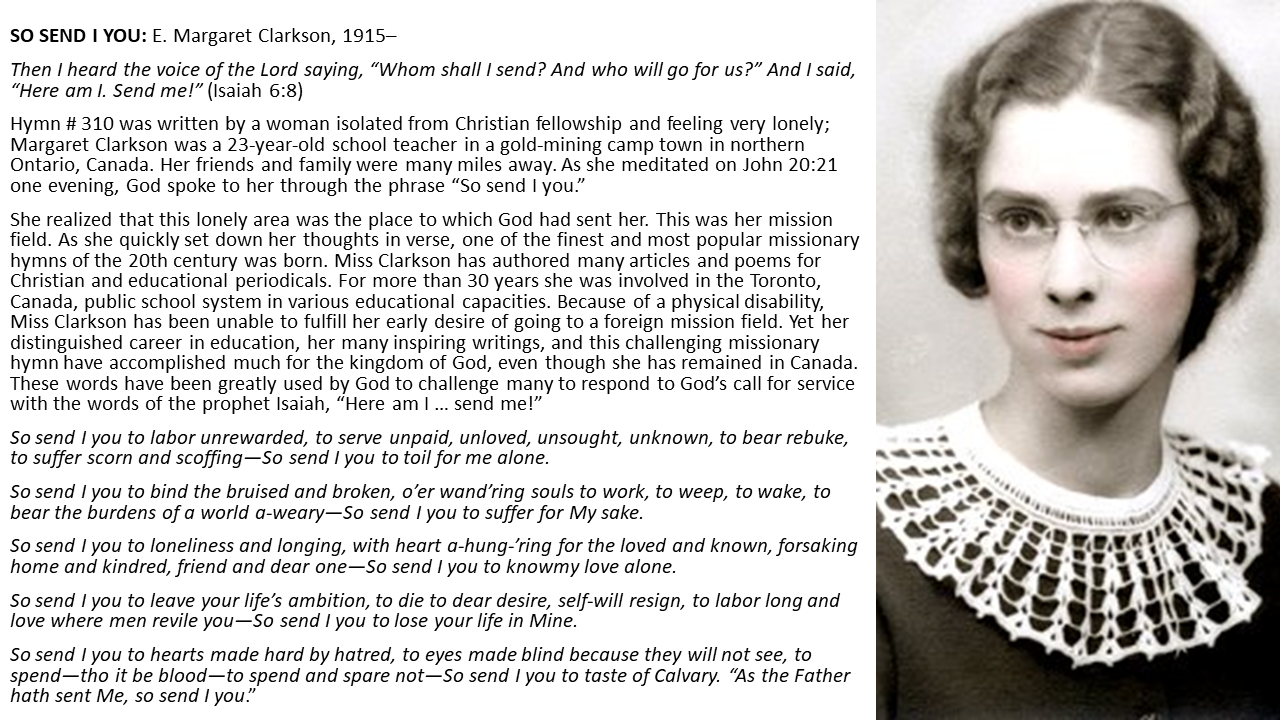



Check Out All The Sermons In The Series
You can find all the sermons and short clips from this series, David’s Spiritual Secret here.
Looking To Study The Bible Like Dr. Barnett?
Dr. Barnett has curated an Amazon page with a large collection of resources he uses in his study of God’s Word. You can check it out here.